The Phoenix Project
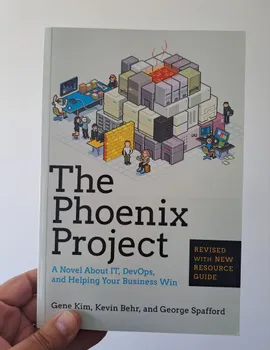
The Phoenix Project is one of the most influential DevOps books of the last decade. At its core, it’s a business novel that uses storytelling to teach modern IT, DevOps, and systems‑thinking principles. The book follows Bill Palmer, newly promoted to VP of IT Operations at Parts Unlimited, as he tries to rescue a failing initiative called Project Phoenix. Through Bill’s journey, the authors illustrate how poor communication, siloed teams, unplanned work, and unmanaged bottlenecks cripple IT organizations — and how DevOps practices can reverse that.
What the book is about
Section titled “What the book is about”-
Bill Palmer’s transformation — Bill inherits a chaotic IT department drowning in outages, delays, and unplanned work. His mission is to stabilize operations and deliver Phoenix, the company’s critical digital initiative.
-
DevOps principles — The story introduces the Three Ways:
- Flow (optimize work from Dev → Ops → customer)
- Feedback (detect and fix issues quickly)
- Continual learning (experimentation, improvement, resilience)
-
Theory of Constraints — Borrowed from manufacturing, it shows how identifying and protecting bottlenecks is essential for throughput.
-
Four Types of Work — Business projects, internal projects, changes, and unplanned work — with unplanned work being the most destructive.
Key takeaways
Section titled “Key takeaways”- IT is the factory floor — Work must flow smoothly, with constraints managed deliberately.
- Unplanned work kills productivity — Without visibility, teams drown.
- Small, frequent deployments reduce risk — Stability and speed reinforce each other.
- Dev + Ops + Security alignment is mandatory — Silos guarantee failure.
- Culture matters as much as tooling — Trust, communication, and shared goals drive performance.
Why it matters
Section titled “Why it matters”The Phoenix Project fits directly into DevOps, transformation, and high‑performing engineering organizations.